 Search
Many men believe they only need to see a doctor when they are sick or injured. Others may worry about costs, fear a diagnosis or put work and family responsibilities ahead of their own health.
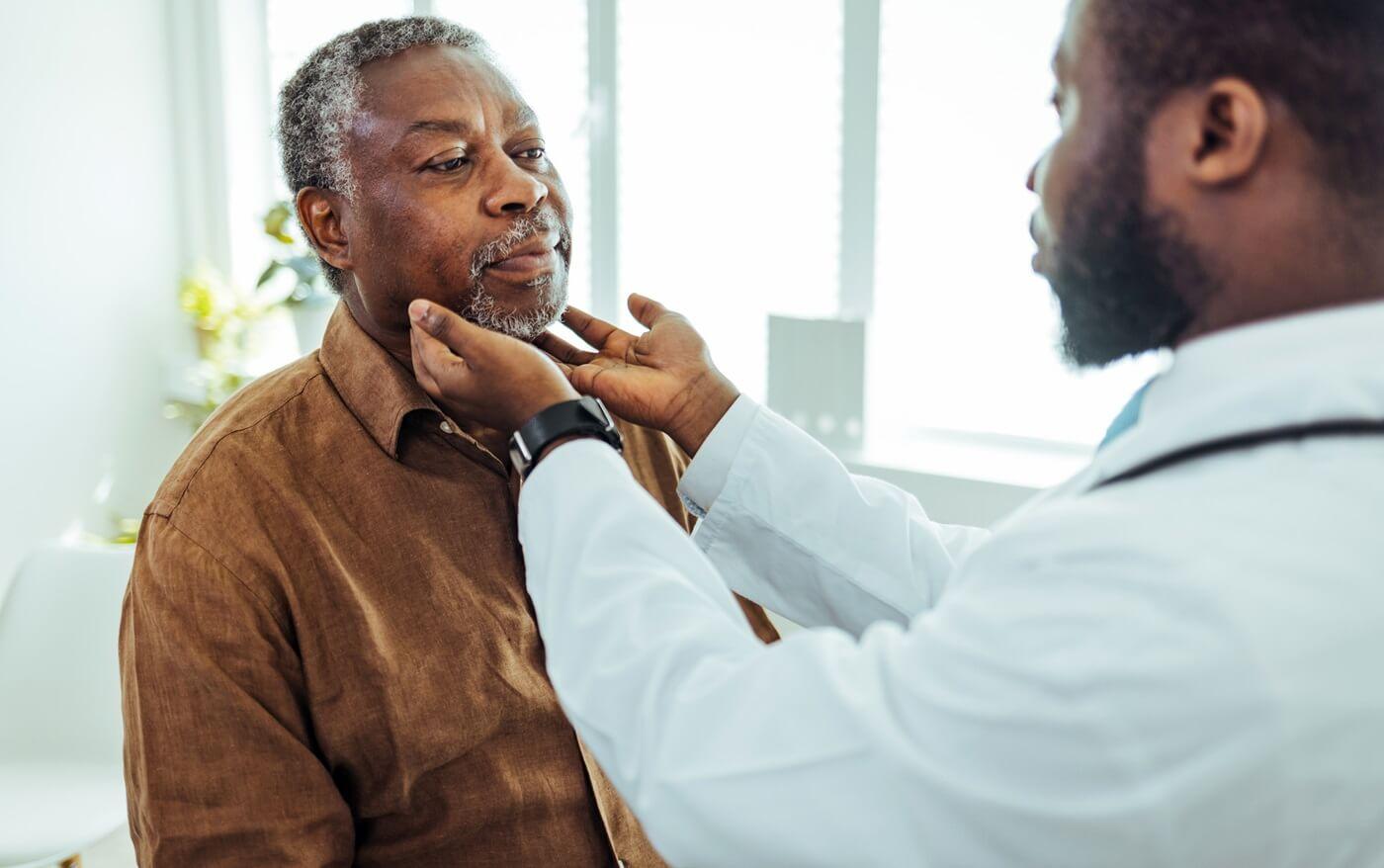
Recent research presented at the European Association of Urology Congress analyzed 20 years of data from more than 160,000 men across seven European countries and identified a high-risk group often overlooked in screening efforts: men who skip preventive screening appointments. Researchers found that men who did not attend prostate cancer screenings had a significantly higher risk of dying from the disease compared with those who participated in screening programs.
The findings serve as a reminder that preventive care appointments are more than routine checkups. They can help detect serious conditions early, when treatment is often more effective and outcomes are better.
Your health affects your ability to work, care for your family, enjoy hobbies and maintain your quality of life as you age.
In your 20s: Build healthy habits early
Your twenties are often viewed as the healthiest decade of life, but they are also an ideal time to establish habits that can benefit you for years to come.
Focus on:
· Establishing a relationship with a primary care provider
· Annual wellness visits
· Staying physically active
· Maintaining a healthy weight
· Prioritizing mental health
· Avoiding tobacco products
· Limiting alcohol consumption
· Monitoring blood pressure
· Staying current on recommended vaccinations
Many chronic diseases begin developing long before symptoms appear. Healthy habits started now can help reduce future health risks.
In your 30s: Protect your future health
As careers, relationships and family responsibilities grow, many men place their own health on the back burner.
Focus on:
· Annual preventive checkups
· Blood pressure monitoring
· Cholesterol screenings
· Diabetes risk assessments
· Managing stress
· Improving sleep quality
· Maintaining regular exercise
· Monitoring mental health and burnout
This decade is often when early warning signs of heart disease and metabolic conditions begin to emerge.
In your 40s: Don’t ignore the warning signs
Many men begin experiencing changes in energy levels, weight and overall health during their forties.
Focus on:
· Regular blood pressure checks
· Cholesterol and diabetes screenings
· Heart disease risk assessments
· Colon cancer screening discussions
· Maintaining muscle mass through strength training
· Monitoring weight and waist circumference
· Managing stress and work-life balance
Heart disease remains the leading cause of death among men. Early detection and lifestyle changes can help reduce risk.
In your 50s: Prioritize screening and prevention
Your fifties are a critical decade for preventive care.
Focus on:
· Colon cancer screenings
· Prostate health discussions and prostate cancer screening conversations with your provider
· Heart disease screenings
· Diabetes management and prevention
· Vision and hearing evaluations
· Vaccinations, including flu and shingles vaccines
· Maintaining physical activity and mobility
Prostate cancer is one of the most diagnosed cancers among men, and risk increases with age. Regular conversations with your health care provider can help determine when screening is appropriate based on your age, family history and individual risk factors.
In your 60s: Stay active and independent
The goal during your sixties is to maintain health, mobility and independence.
Focus on:
· Managing chronic conditions
· Regular cancer screenings as recommended
· Bone health assessments
· Heart health monitoring
· Fall prevention
· Strength and balance exercises
· Staying socially connected
· Monitoring memory and cognitive health
Remaining physically active is one of the most effective ways to support healthy aging.
In your 70s and beyond: Focus on quality of life
Healthy aging is about more than simply living longer. It is about maintaining independence and enjoying life.
Focus on:
· Regular preventive visits
· Medication reviews
· Fall prevention strategies
· Cognitive health assessments
· Physical activity
· Social engagement
· Nutrition and hydration
· Management of chronic conditions
Your Health Is Worth the Time
Many men spend their lives caring for others, providing for their families and balancing the demands of work and home. Too often, their own health takes a back seat. Preventive care is one of the simplest ways to protect your health and identify potential concerns before they become more serious. A routine checkup can provide valuable information, support early detection and help you maintain your overall well-being. You do not need to wait until something feels wrong to see a health care provider. Making your health a priority today can help support a healthier future