 Search
Summer is a great time to enjoy the outdoors, whether you're hiking, biking, attending community events or simply spending time with family and friends. But as temperatures rise, so does your risk of heat-related illness. Knowing the difference between heat exhaustion and heat stroke can help you recognize the warning signs and take action quickly.
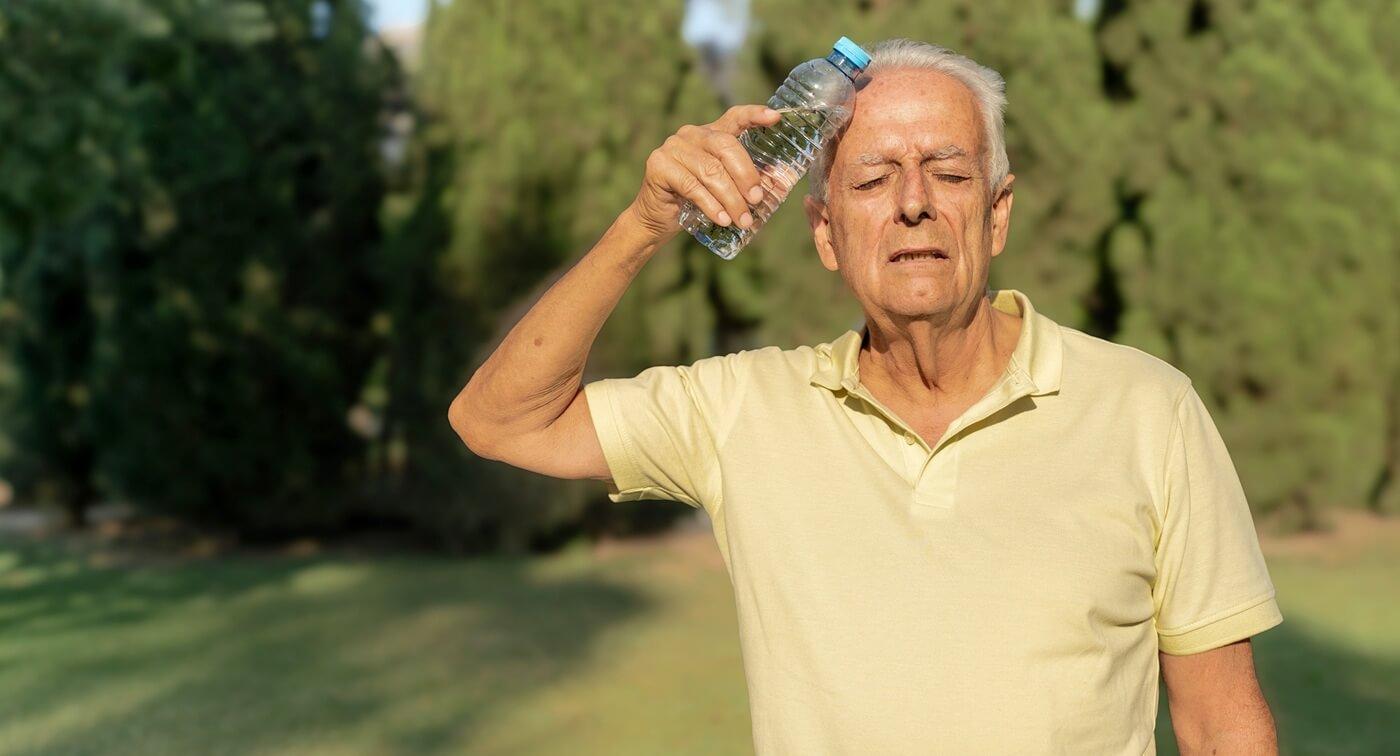
What Is Heat Exhaustion?
Heat exhaustion occurs when your body loses too much water and salt through sweating. It often develops after prolonged exposure to heat or during physical activity.
- Common symptoms include:
- Heavy sweating
- Cool, pale or clammy skin
- Muscle cramps
- Fatigue or weakness
- Dizziness or lightheadedness
- Headache
- Nausea or vomiting
- Fast, weak pulse
- Fainting
What to Do:
- Move to a cool or shaded area.
- Drink cool water or an electrolyte-replacement beverage if you are awake, alert and able to safely swallow. Sip fluids slowly while resting in a cool place.
- Loosen or remove excess clothing.
- Apply cool, wet cloths or take a cool shower.
- Rest until you feel better.
If symptoms last longer than one hour, worsen or you cannot keep fluids down, seek medical care.
If the person becomes confused, loses consciousness, has a seizure or their condition continues to worsen despite cooling measures, call 911 immediately. Heat exhaustion can progress to heat stroke, which is a medical emergency.
What Is Heat Stroke?
Heat stroke is a medical emergency. It occurs when the body's temperature rises rapidly and can no longer cool itself.
Warning signs include:
- Body temperature of 103°F (39.4°C) or higher
- Hot, red skin that may be dry or damp
- Confusion, slurred speech or unusual behavior
- Severe headache
- Rapid, strong pulse
- Seizures
- Loss of consciousness
What to Do:
Call 911 immediately.
While waiting for emergency responders:
- Move the person to a cooler location.
- Remove excess clothing.
- Cool them with cold water, wet towels or ice packs placed on the neck, armpits and groin.
- Fan the person if possible.
Do not give fluids if the person is confused, unconscious or unable to safely swallow.
Heat Safety Tips for Every Season
Heat-related illnesses can happen anywhere, especially during periods of extreme heat. Whether you're working outdoors, exercising, attending a sporting event or enjoying a day at the park, taking simple precautions can help reduce your risk.
If you live in or are visiting Colorado, keep in mind that the state's high altitude, dry climate and stronger UV rays can increase your risk of dehydration. At higher elevations, your body loses fluids more quickly through sweating and breathing, even when temperatures don't feel especially hot. Because dehydration increases the risk of heat exhaustion, it's important to stay hydrated throughout the day.
If you're visiting Colorado from a lower elevation, your body may need a few days to adjust. During that time:
- Drink plenty of water throughout the day.
- Pace yourself during outdoor activities.
- Take frequent breaks if hiking, biking or exercising outdoors.
- Limit alcohol, which can contribute to dehydration.
No matter where you live:
Drink water regularly throughout the day, even if you don't feel thirsty. During prolonged outdoor activity or heavy sweating, an electrolyte-replacement beverage may also help replace fluids and minerals lost through sweat.
- Wear lightweight, light-colored clothing during hot weather.
- Seek shade or air conditioning during the hottest part of the day.
- Whenever possible, schedule outdoor activities during the cooler morning or evening hours.
- Wear sunscreen and a wide-brimmed hat when outdoors.
- Never leave children, older adults, pets or anyone else in a parked vehicle.
- Check on family members, neighbors and friends during periods of extreme heat.
Heat-Related Illness Isn't Just a Summer Concern
Many people associate heat-related illness with hot summer days, but it can happen year-round, including during winter outdoor activities.
Whether you're skiing, snowboarding, snowshoeing or hiking, your body still generates heat during physical activity. Heavy clothing, direct sunlight, higher elevations and dehydration can make it harder for your body to cool itself. Cold weather can also reduce your sense of thirst, making it easier to become dehydrated without realizing it.
To help prevent heat-related illness during outdoor activities in any season:
- Drink water regularly throughout the day.
- Take breaks when needed.
- Dress in breathable layers that can be adjusted as your body warms up.
Pay attention to warning signs such as dizziness, headache, nausea, fatigue or unusual weakness.
Staying hydrated and listening to your body can help you safely enjoy outdoor activities all year long.
Certain Medications Can Increase Your Risk
Some medications can make it more difficult for your body to regulate its temperature, reduce sweating, increase dehydration or make your skin more sensitive to sunlight. These effects can increase your risk of heat-related illness, particularly during hot weather or when spending time outdoors.
Examples include certain:
- Diuretics (water pills)
- Blood pressure medications
- Antihistamines
- Antidepressants
- Antipsychotic medications
- Stimulants
- Some medications used to treat Parkinson's disease
If you take prescription medications, ask your healthcare provider or pharmacist whether they may increase your risk for heat-related illness. Never stop taking prescribed medications without talking with your healthcare provider first.
Who Is Most at Risk?
Anyone can develop a heat-related illness, but the risk is higher for:
- Adults age 65 and older
- Infants and young children
- People with chronic medical conditions
- Outdoor workers
- Athletes
- People taking medications that affect hydration or body temperature
Older adults may be especially vulnerable because the body's ability to regulate temperature can decrease with age and certain medications or chronic health conditions may further increase the risk of heat-related illness.
Key Takeaways
Most cases of heat exhaustion can be managed by moving to a cool place, resting and drinking fluids if symptoms are recognized early. If symptoms do not improve after cooling down, resting and drinking fluids, contact your healthcare provider or visit an urgent care center.
Heat stroke is always a medical emergency. Call 911 immediately if someone has a body temperature of 103°F (39.4°C) or higher, becomes confused, has a seizure, loses consciousness or shows other signs of heat stroke.
Recognizing the warning signs, staying hydrated and taking precautions throughout the year can help keep you and your loved ones safe during every season.